Build a Consistent Routine for Stable Energy
Discover proven approaches to daily structure that support sustained vitality and balanced performance through consistent habits.
Consistency
Daily Patterns
Structure
Time Blocks
Flexibility
Adapt & Adjust
Why Consistency Outperforms Intensity
Your body is a prediction machine. It constantly anticipates what's coming next based on past patterns. When you eat, sleep, and move at consistent times, your body prepares in advance. Digestive enzymes release before meals. Cortisol rises before your usual wake time. Melatonin increases before your typical bedtime.
This anticipatory regulation is incredibly energy-efficient. Your body doesn't waste resources staying in a constant state of readiness. Instead, it allocates energy precisely when needed. The result: you feel more energized with less effort.
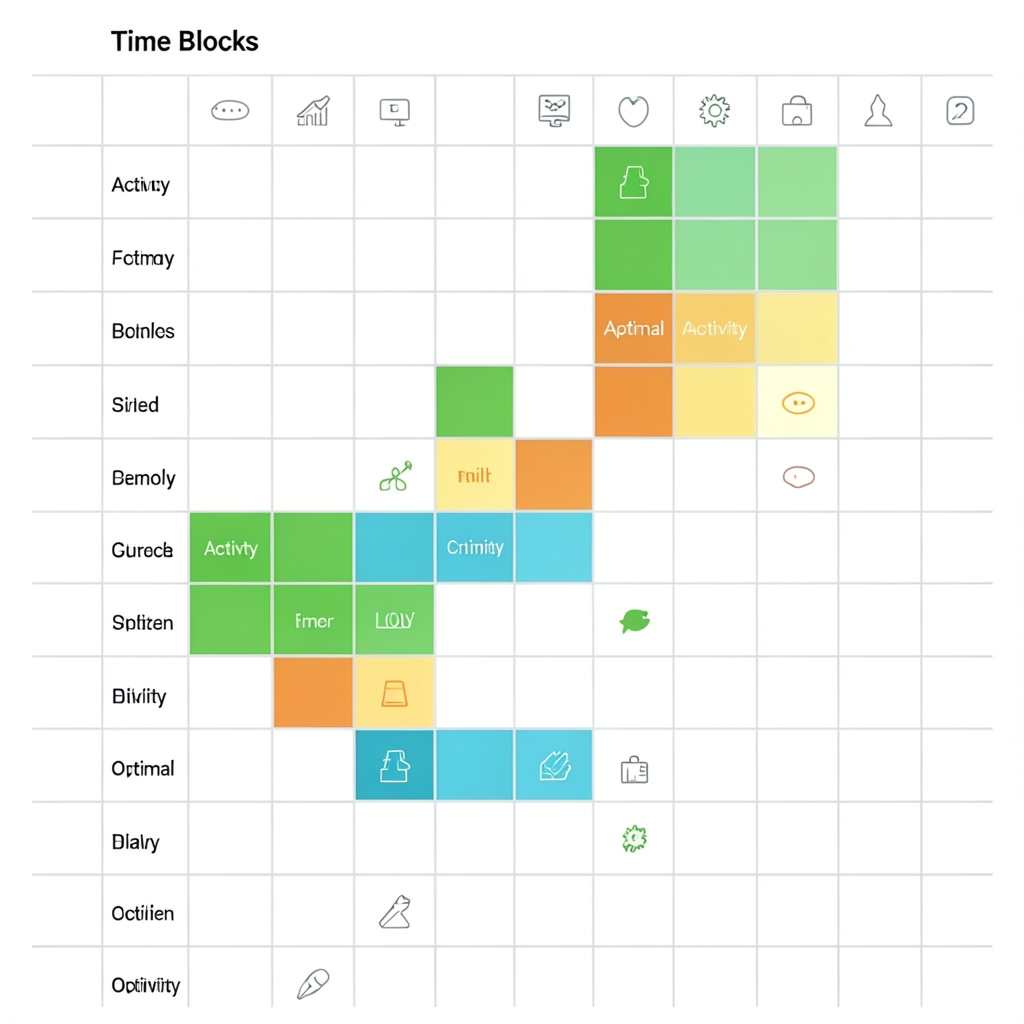
The structured schedule shown here demonstrates time-blocking for energy optimization. Notice how high-focus work occupies morning hours when cortisol naturally peaks. Routine tasks fill the afternoon dip. Physical activity occurs when body temperature is highest (late afternoon). Evening hours transition gradually toward rest.
The Five Non-Negotiable Routine Anchors
Fixed Wake Time (±30 minutes)
Waking within the same 30-minute window daily is the single most powerful circadian anchor. This consistency regulates every downstream hormone: cortisol, insulin, melatonin, growth hormone. Even weekend variation disrupts this synchronization, creating "social jet lag" that takes 2-3 days to recover from.
Morning Activation Sequence (15-30 minutes)
Your first 30 minutes set your neurochemical baseline for the entire day. This sequence should include: bright light exposure (outdoor if possible), cold water on face and hands, 500ml water intake, and 5-10 minutes of movement. This combination supports alertness hormones.
Meal Timing Windows (±1 hour)
Eating within consistent 1-hour windows trains your metabolic clock. Your body releases digestive enzymes and insulin in anticipation of meals. This preparation improves nutrient absorption and supports stable blood sugar between meals. Aim for 3 meals within 10-12 hour eating window.
Movement Anchors (3-4 daily)
Schedule movement at the same times daily: morning activation, mid-morning break, post-lunch walk, late afternoon activity. Consistency matters more than intensity. A 10-minute walk at 2 PM daily provides more cumulative benefit than sporadic 60-minute gym sessions.
Wind-Down Initiation (90 minutes pre-sleep)
Begin your sleep preparation at the same time nightly. Dim lights by 50%, lower room temperature to 18-19°C, eliminate screens, and engage in calming activities. This 90-minute buffer allows melatonin to rise naturally, supporting better sleep onset and deeper sleep phases.
The 8-Week Habit Stacking Protocol
Attempting to change everything simultaneously guarantees failure. Your willpower is a finite resource that depletes throughout the day. Instead, use habit stacking: anchor new behaviors to existing ones, building complexity gradually over two months.
This phased approach leverages the neuroscience of habit formation. It takes 18-254 days to form a habit, with an average of 66 days. By focusing on one element at a time for two weeks, you allow neural pathways to solidify before adding complexity.
Week 1-2: Sleep Synchronization
Set a non-negotiable wake time within a 30-minute window. Use an alarm across the room to prevent snoozing. Track your wake time daily. This single change regulates every downstream hormone and sets the foundation for all other habits.
Week 3-4: Morning Activation Protocol
Add a 15-minute morning sequence: immediate light exposure, 500ml water, 5-minute movement. Stack this onto your now-consistent wake time. The sequence becomes automatic within 14 days when performed at the same time daily.
Week 5-6: Meal Timing Windows
Establish three eating windows within a 10-12 hour period. Eat within the same 1-hour window daily. This trains your metabolic clock, improving insulin sensitivity and preventing energy crashes between meals.
Week 7-8: Movement Anchors
Add 3-4 brief movement sessions at fixed times: post-breakfast, mid-morning, post-lunch, late afternoon. Start with just 5 minutes each. Consistency of timing matters infinitely more than duration or intensity.
By week 8, you've built a comprehensive routine without overwhelming your willpower. Each element reinforces the others: better sleep improves morning energy, morning light improves evening sleep, consistent meals stabilize afternoon energy, movement enhances sleep quality. The system becomes self-reinforcing.
Most people report noticeable energy improvements by week 3, significant changes by week 6, and feel the routine is automatic by week 10. The initial investment yields compounding returns for years.
Get Personalized Protocol DesignCreate Your Sustainable Energy Routine
Develop a personalized routine that supports consistent energy and long-term vitality. Get expert guidance to build habits that last.
Disclaimer: All presented materials and practices are for educational and informational purposes only and are intended to support general well-being. They do not constitute medical diagnosis, advice, or recommendations for specific health conditions. Before applying any practice, especially if you have chronic conditions, consult a healthcare professional.