Decoding Your Personal Energy Signature
Your energy pattern is as unique as your fingerprint. While general circadian principles apply universally, your specific peaks and valleys depend on genetics, age, lifestyle, and even the season. Some people are genuine morning larks, others are night owls, and most fall somewhere between.
The key to effective energy management isn't forcing yourself into someone else's schedule. It's discovering your natural rhythm and building your day around it. This requires observation, not guesswork.
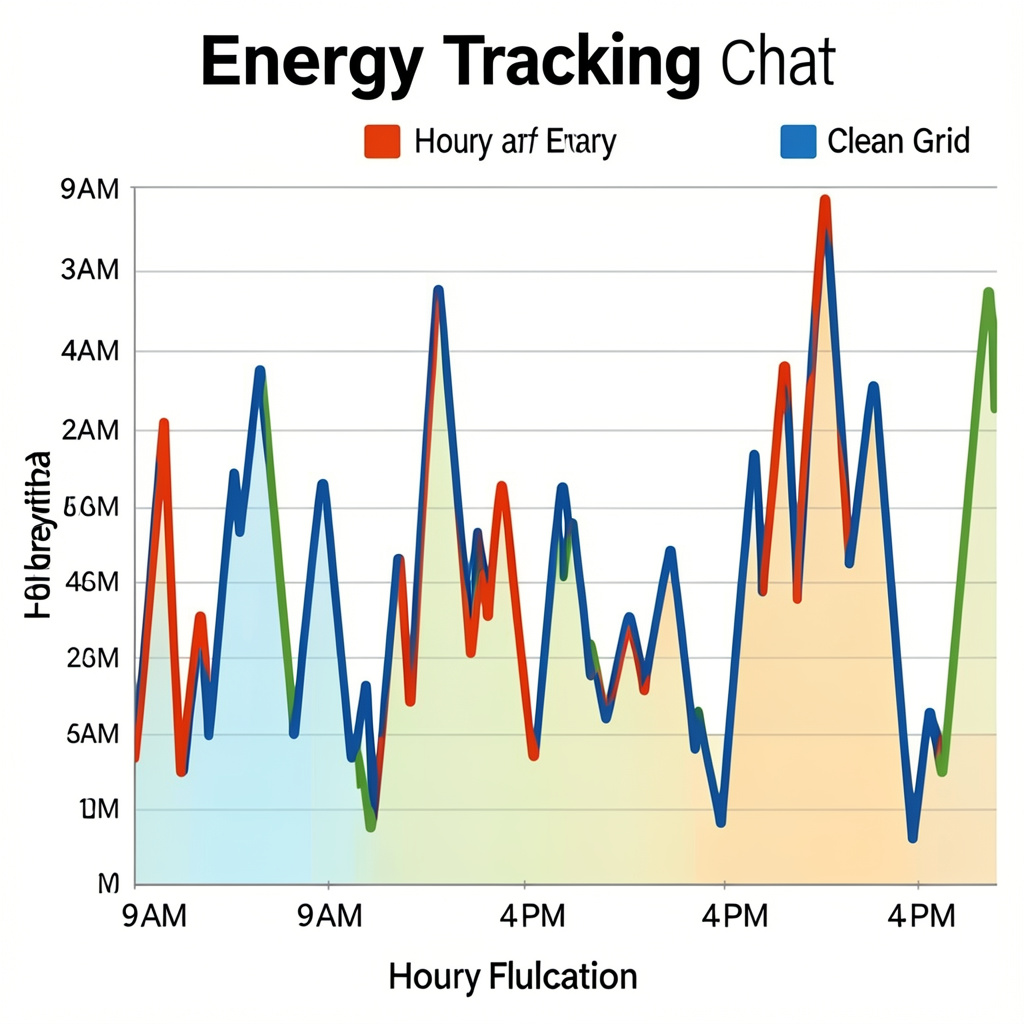
The Two-Week Energy Audit
For 14 consecutive days, rate your energy every two hours on a scale of 1-10. Note the time, your energy level, what you ate in the previous 3 hours, your sleep quality the night before, and any physical activity. After two weeks, patterns emerge with remarkable clarity.
You'll discover your true peak performance window. For most people, this occurs 2-4 hours after waking, when cortisol is elevated but not yet declining. You'll identify your natural low point, typically 7-9 hours after waking, corresponding to the post-lunch circadian dip. You'll see how specific foods affect your afternoon energy, and how poor sleep impacts the following day.
Translating Data Into Action
Once you know your pattern, restructure your day accordingly. Schedule your most cognitively demanding work during your peak hours. Reserve routine tasks like email and administrative work for your low-energy periods. Plan important meetings and decisions for when you're naturally sharp, not when your calendar happens to be free.
This data-driven approach works with your biology. Instead of wondering about your focus patterns at 2 PM, you'll understand your natural rhythm and plan accordingly. Instead of working against your chronotype, you'll leverage your actual peak hours.